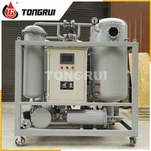
In today's era of highly advanced industry and transportation, the vast quantities of waste oil generated annually once constituted an environmental burden that could not be ignored. However, with the advent of waste oil distillation equipment, these black, viscous "industrial waste fluids" are being transformed into valuable energy and resources, writing a new chapter in the circular economy.
Core Mission: Efficient Separation and Precise Regeneration
The fundamental purpose of waste oil distillation equipment lies in the efficient separation and purification of waste oil-a substance with a complex chemical composition-through a high-temperature distillation process. Within a closed-loop system, the waste oil is heated; its various components-possessing different boiling points, such as fuel oil, light-grade lubricant base oils, and heavy-grade base oils-sequentially vaporize, condense, and are collected separately. This process resembles a delicate "surgical operation" performed on the waste oil, effectively removing moisture, impurities, oxidation byproducts, and additive residues to yield pure, reusable oil products.
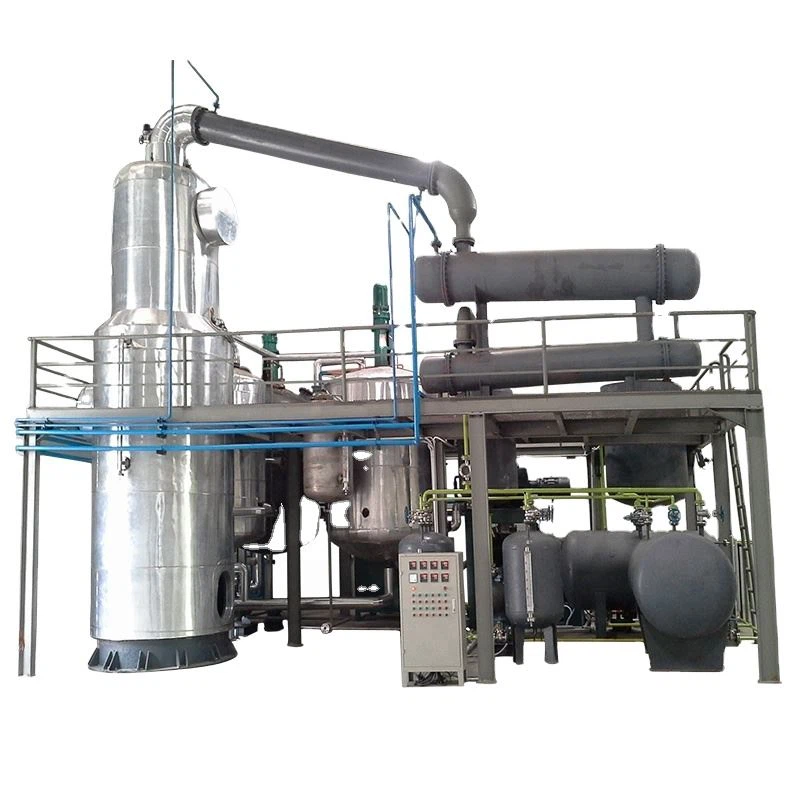
Diverse Outputs: Driving the Circular Value Chain
The products resulting from this distillation and regeneration process possess significant value:
* Regenerated Base Oils:** These can be used-either directly or after further refining-to formulate new lubricants, which are then reintroduced into mechanical equipment, thereby completing the lifecycle of lubrication.
* Clean Fuel Oils:** These serve as fuel for industrial boilers or heating furnaces, displacing a portion of traditional fossil fuels and effectively converting "waste" into "energy."
* Byproduct Utilization:** Certain types of equipment are also capable of recovering and processing the small quantities of residual oil (sludge) generated during the treatment process, or converting them into other chemical raw materials, thereby striving to maximize resource utilization.
Profound Value: A Dual Dividend of Economics and Ecology
The widespread application of this equipment yields a dual set of core benefits. From an environmental perspective, it drastically reduces the severe pollution-affecting soil, water sources, and the atmosphere-typically caused by the improper disposal of waste oil (such as illegal dumping or incineration), thereby lowering environmental risks and remediation costs. From an economic perspective, it transforms waste materials into products with tangible market value, generating substantial financial returns for operators while simultaneously reducing society's reliance on virgin petroleum resources and bolstering energy security.

Conclusion:
Waste oil distillation equipment has evolved far beyond being a mere processing tool. It stands as a critical bridge connecting "waste" with "regeneration"-a pivotal technological pillar driving the circular utilization of resources and fostering the development of green, low-carbon industries. Amidst increasingly stringent environmental regulations and technological advancements, this type of equipment is poised to play an even more pivotal role-driving the continuous transformation of ferrous waste into a golden engine for green development, and providing robust industrial support for the realization of sustainable development.