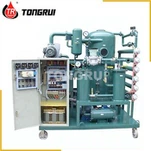
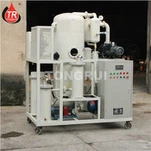
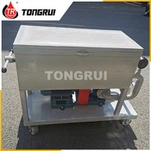
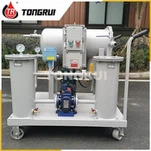
A portable oil-water separator is a device that is used to separate oil and water mixtures by utilizing the differences in the densities of the two liquids. This device is typically used in applications where there is a need to separate oil and water from a variety of sources, such as industrial wastewater, stormwater runoff, or oil spills.
Portable oil-water separators can be used in a variety of settings, including on ships, oil rigs, and other remote locations where access to traditional water treatment facilities is limited. These devices can range in size from small handheld units to larger, trailer-mounted systems, and they can be powered by a variety of sources, including electricity, gasoline, or diesel fuel.
Portable oil-water separators are an important tool in helping to prevent pollution and protect the environment from the harmful effects of oil contamination. They are widely used in a variety of industries, including oil and gas, manufacturing, and transportation, and they are an essential component of many environmental cleanup efforts.
In addition to their environmental benefits, portable oil-water separators also offer economic benefits to users. By separating oil from water, these devices can help reduce the amount of water needed for industrial processes, which can result in cost savings. Additionally, separated oil can often be reused, further reducing costs and minimizing waste.
When selecting a portable oil-water separator, it is important to consider factors such as the size and type of contaminants being removed, the flow rate of the mixture being treated, and the portability and power requirements of the unit. Some units may also offer additional features, such as automated monitoring and control systems, that can help optimize performance and reduce the risk of equipment failure.