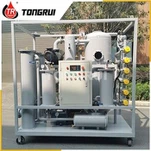
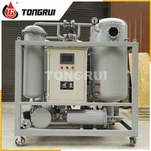
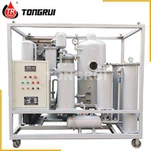
Waste oil can be converted into base oil through thermal cracking and solvent method.
The thermal cracking method is to heat the waste oil to a high temperature so that it decomposes in an oxygen-free or micro-oxygen atmosphere to produce base oil and other compounds. This method requires high temperature and high pressure equipment, and the quality of the base oil is not as high as that produced by the solvent method.
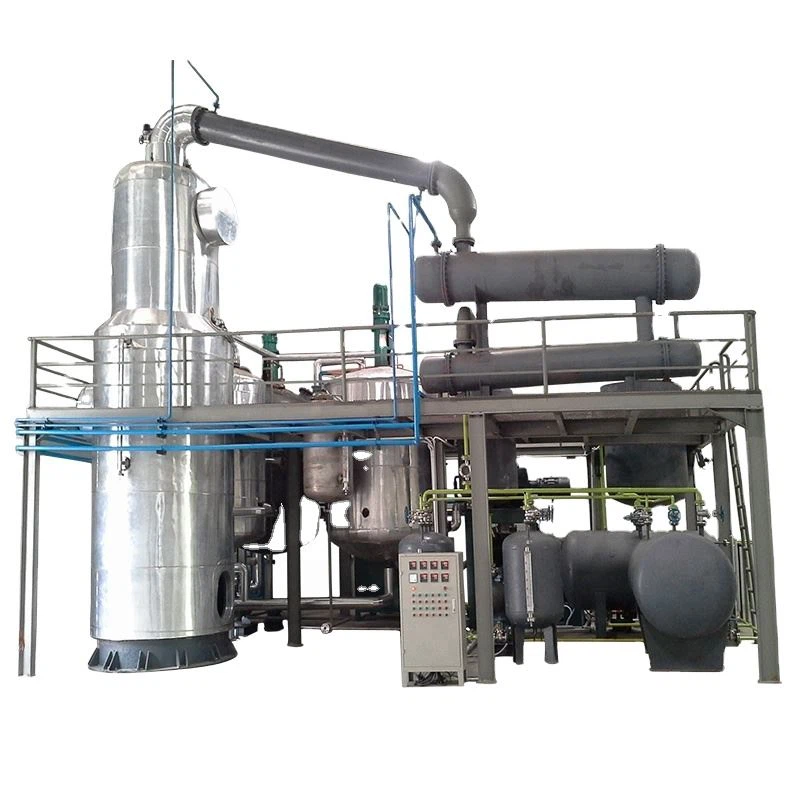
The solvent method is to add waste oil to a specific solvent, and separate the base oil and other compounds through heating and volatilization. The base oil produced by the solvent method is of high quality, almost comparable to the original base oil. This method has low requirements for equipment, but issues such as solvent recovery and environmental protection need to be strengthened.
Converting waste oil into base oil can achieve resource reuse and reduce pollution emissions, which has positive significance for environmental protection. However, the source, recovery, treatment and use of waste oil require professional equipment and technology, and all parties need to work together to strengthen management and supervision to effectively promote and apply it.